
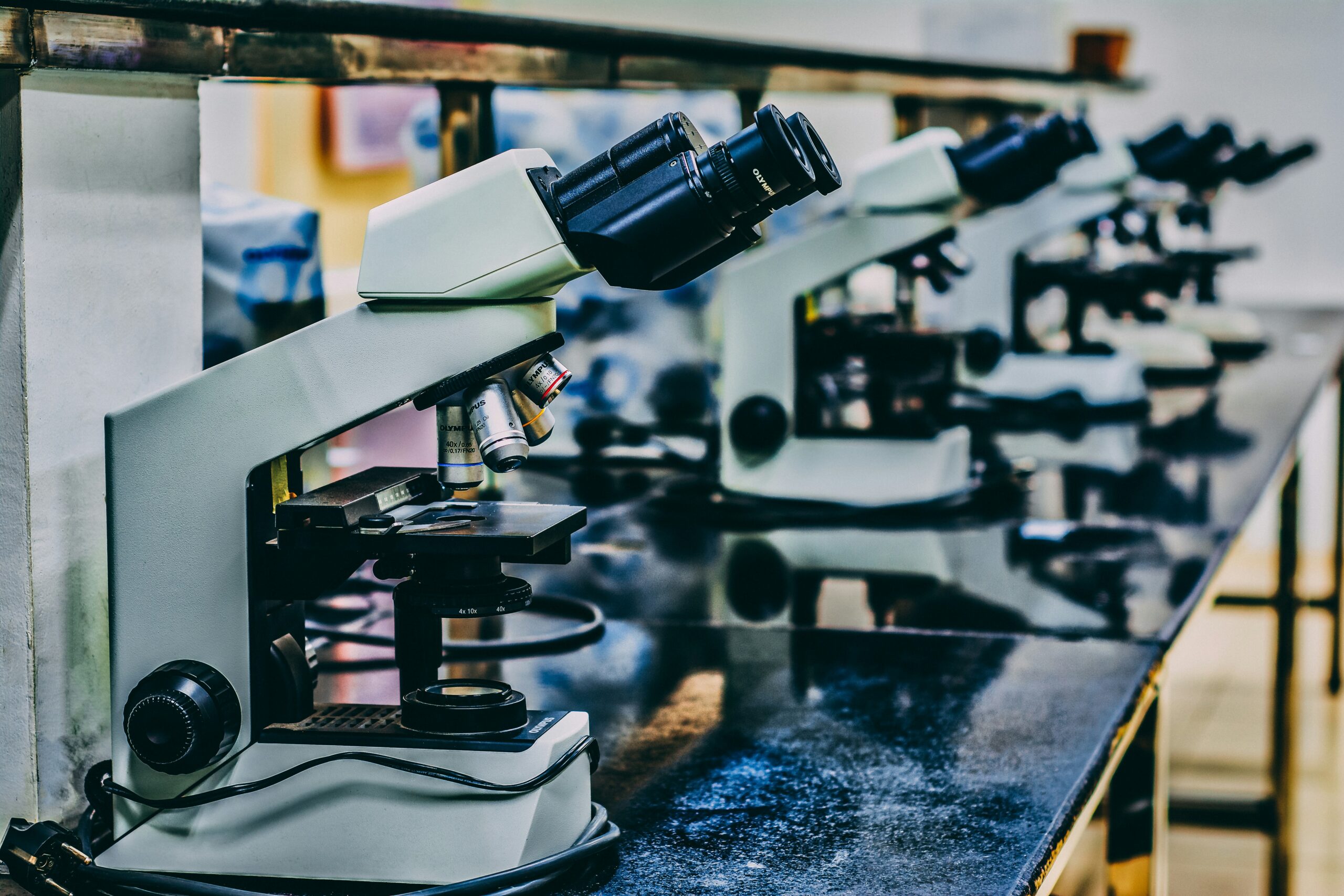
Laboratory instruments play an essential role in the realm of science, and they are the cornerstone of every scientific research. From centrifuges to microscopes, from force gauges to pH connectivity meters, these tools & equipment are indispensable for every scientist’s daily research activities. Major laboratory instruments allow them to observe, measure, and assess the world around us. If you would like to advance research throughout distinct fields, keep reading about the importance of laboratory equipment in scientific research.
Dive Deeper Into The Significance Of Laboratory Equipment
The following are the crucial roles that laboratory equipment plays in modern research:
- Verstality
The latitude of scientific inquiry requires a range of major laboratory instruments that serve various purposes. Every researcher uses fundamental equipment, such as centrifuges and pipettes, from Atlantic Scale, as well as top-notch equipment like nuclear magnetic resonance spectrometers and microscopes for advanced research.
- Safety
Detrimental compounds and biological substances are used in several scientific analysis. Laboratory instruments, such as fume hoods, autoclaves, and biosafety cabinets, are essential for ensuring a safe work environment. These instruments protect the researchers from harmful exposure to the substances and help prevent sample contamination.
- Maximized efficiency
A meticulously designed laboratory apparatus enables the optimization of research processes. This is how it helps increase the scientists’ efficiency. You, as a scientist, may now focus on the complex aspects of your work due to the automation of the equipment, such as robotic systems and liquid handlers, to conduct repetitive tasks precisely and quickly. Such an enhanced efficiency is crucial for large-scale investigations and high-capacity screening.
- Accuracy in every experiment
Laboratory instruments, such as pipettes, force gauges, and analytical balances, provide specific measurements and results. These are carefully calibrated to deliver precise details, crucial for validating experiments and ensuring reproducibility. This type of accuracy helps reduce the risk of errors and enhances the scope of experimental outcomes.
What Are The Different Applications Of Laboratory Instruments in Different Fields?
The laboratory equipment is used in various fields, including:
- Biology – Biologists mainly rely on DNA sequencers, microscopes, and electrophoresis instruments to assess the intricacies of living organisms. In a biology lab, biologists evaluate the cell systems and use organic strategies and genetic materials for the advancement of environmental and clinical sciences.
- Chemistry – Chemists use chromatographs, titrators, and spectrophotometers to analyze the chemical substances and their reactions with other elements.
- Physics – Oscilloscopes, lasers, force gauges, and particle accelerators are available in the physics laboratories for experiments on the properties of energy and matter. The physicists use these instruments from Johnson Scale to perform experiments in optics, quantum mechanics, and materials science.
Conclusion & Future Outlook
To summarize, vital laboratory instruments, from force gauges to pipettes, enable scientists to assess various phenomena. As technology advances rapidly, we can anticipate greater digitization, automation, and AI integration in lab equipment. After a few years, the focus will shift on creating highly sustainable, user-friendly, and energy-efficient lab equipment. To support the backbone of scientific research, leading manufacturers will remain fully devoted to manufacturing reliable scientific laboratory equipment to meet the needs of the researchers.

Leave a Reply